

Track: Urogynecology and Pelvic Floor Disorders
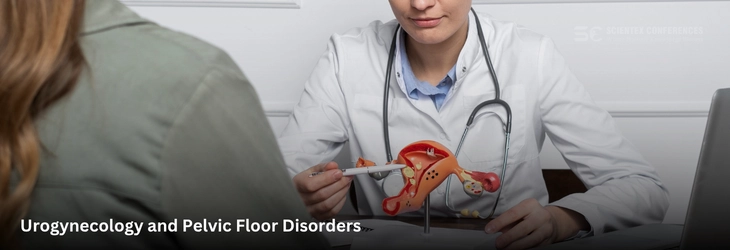
Urogynecology and Pelvic Floor Disorders explores the latest scientific advancements, clinical innovations, and multidisciplinary approaches for managing pelvic floor dysfunction and lower urinary tract disorders in women. This session provides a comprehensive platform to discuss contemporary diagnostic methods, preventive strategies, and treatment options designed to improve pelvic health and overall quality of life.
The session will focus on common conditions including urinary incontinence, pelvic organ prolapse, overactive bladder syndrome, fecal incontinence, pelvic pain disorders, recurrent urinary tract infections, and childbirth-related pelvic floor trauma. Participants will gain valuable insights into pelvic floor anatomy, risk factors, diagnostic evaluations, and evidence-based management approaches.
Special emphasis will be placed on minimally invasive and robotic-assisted pelvic floor surgery, pelvic floor rehabilitation, regenerative medicine, laser therapies, mesh-free reconstructive procedures, menopause-related pelvic floor changes, and digital health technologies. The session will also explore preventive strategies, postpartum pelvic health, patient-centered care, and emerging innovations shaping the future of urogynecology.
This multidisciplinary session aims to bring together urogynecologists, gynecologists, urologists, physiotherapists, nurses, researchers, and healthcare professionals dedicated to advancing pelvic floor healthcare worldwide.
Urinary Incontinence and Bladder Disorders: Explore the latest approaches to diagnosing and managing stress urinary incontinence, urge incontinence, mixed incontinence, overactive bladder, and lower urinary tract dysfunction.
Pelvic Organ Prolapse: Learn about current diagnostic techniques, conservative therapies, pessary management, and surgical options for treating pelvic organ prolapse and restoring pelvic support.
Pelvic Floor Rehabilitation and Physiotherapy: This segment focuses on pelvic floor muscle training, rehabilitation programs, biofeedback techniques, postpartum recovery, and non-surgical treatment strategies.
Minimally Invasive and Robotic Pelvic Floor Surgery: Discuss advancements in laparoscopic and robotic-assisted procedures, reconstructive pelvic surgery, mesh-free repairs, and enhanced recovery protocols.
Childbirth-Related Pelvic Floor Injuries: An overview of obstetric trauma, pelvic floor damage after childbirth, prevention strategies, postpartum rehabilitation, and long-term pelvic health management.
Menopause and Pelvic Health: Explore the impact of menopause on pelvic floor function, urinary symptoms, vaginal health, and current treatment approaches including hormonal and non-hormonal therapies.
Regenerative Medicine and Emerging Therapies: Understand the role of regenerative medicine, stem cell therapies, laser treatments, tissue engineering, and innovative technologies in pelvic floor restoration.
Artificial Intelligence and Future Directions in Urogynecology: Discover how AI-driven diagnostics, digital health platforms, telemedicine, wearable devices, and precision medicine are transforming pelvic floor healthcare and patient outcomes.
Join us to explore the latest advancements, innovative treatment strategies, and multidisciplinary approaches in urogynecology and pelvic floor disorders aimed at enhancing women’s health, function, and quality of life worldwide.
Scientific Highlights
- Advancements and Innovations in Gynecology and Obstetrics
- IVF and Assisted Reproductive Technology (ART)
- Reproductive Endocrinology and Infertility
- Advances and Challenges in Gynecological Oncology
- Pediatric and Adolescent Gynecology
- Perinatal and Neonatal Care
- Urogynecology and Pelvic Floor Disorders
- Maternal Fetal Medicine
- Obstetric Emergencies and Critical Care
- Innovations and Future Directions in Women’s Healthcare
- Endometriosis and PCOS
- Sexual and Reproductive Health
- Minimally Invasive and Robotic Surgery
- Embryology and Reproductive Genetics
- Menopause and Hormone Therapy
- High Risk Pregnancy and Pregnancy Complications
- Ethics and Patient Care in Gynecology and Obstetrics
- AI, Digital Health and Future Technologies in Reproductive Medicine
- Gynecological Pathology
- Midwifery, Nursing and Maternal Healthcare
- Management of Diabetes in Pregnancy

Organization Location
1309 Coffeen Avenue, STE 1200, Sheridan, Wyoming 82801, USA
Mail us at
General Enquiry
contact@scientexconferences.com
Call us at
USA : (+1) 217 291 7151