

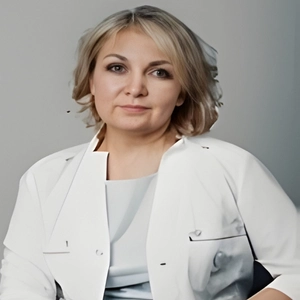
Suraya Yuldasheva
Siz Ona Bulasiz, UzbekistanPresentation Title:
Impact of preimplantation genetic testing for aneuploidy (PGT-A) on embryo selection and ART outcomes: A retrospective single-center study
Abstract
Chromosomal aneuploidies remain a primary cause of implantation failure and miscarriage in Assisted Reproductive Technology (ART) cycles. Although morphological assessment is standard , it lacks the precision to detect genetic abnormalities. Preimplantation Genetic Testing for Aneuploidies (PGT-A) via Next-Generation Sequencing (NGS) allows for the selection of euploid embryos, potentially increasing success rates in single embryo transfer (SET) protocols.
Objective: This study aimed to evaluate the clinical efficacy of PGT-A in SET cycles and analyze how maternal age, oocyte origin, and the vitrification process influence reproductive outcomes.
Methods: A retrospective analysis was conducted on 536 cryo-SET cycles at the IDK Medical Center (Samara, Russia). Blastocysts (grade ≥3BB) underwent trophectoderm biopsy followed by NGS. All embryos were vitrified post-biopsy and subsequently warmed for transfer. Data were analyzed using Mann–Whitney and Kruskal–Wallis tests to compare outcomes based on oocyte source and genetic status.
Results: Out of 274 biopsied embryos, the overall euploidy rate was 39%. Specifically, euploidy was found in 43% of embryos from couples with normal karyotypes, dropping to 25% in those with known chromosomal aberrations. A significant age-dependent decline in embryo quality was confirmed. For euploid embryos, the implantation and clinical pregnancy rates reached 37.5%. Notably, the post-thaw survival rate was 100%, demonstrating that the combination of biopsy and vitrification does not compromise embryo viability.
Conclusions: PGT-A significantly optimizes embryo selection, particularly for patients of advanced maternal age or those with genetic predispositions. Implementing PGT-A in SET cycles improves clinical pregnancy rates and ensures high safety standards in modern fertility treatments.
Biography
Suraya Z. Yuldasheva, DSc, is a highly distinguished Senior Obstetrician-Gynecologist and Fertility Specialist of the highest category with 32 years of clinical experience. Currently serving as an associate professor at Tashkent State Medical University, she is a leading expert in reproductive medicine and advanced infertility treatment. Her core expertise includes the full range of Assisted Reproductive Technologies (ART) and IVF protocols, such as controlled ovarian stimulation, intrauterine insemination, follicular puncture, and embryo transfer, alongside specialized care for post-IVF pregnancies and recurrent pregnancy loss. Her clinical proficiency extends to expert-level OB/GYN ultrasound, hormonal disorder correction, and modern menopause management. Her global professional background is backed by international internships in Kiev, Moscow, St. Petersburg, the Czech Republic, Azerbaijan, and Dubai. As a prominent academic, she has authored 109 scientific works and continues to mentor the next generation of physicians at Tashkent State Medical University while advancing research in the field of ART.

Organization Location
1309 Coffeen Avenue, STE 1200, Sheridan, Wyoming 82801, USA
Mail us at
General Enquiry
contact@scientexconferences.com
Call us at
USA : (+1) 217 291 7151