

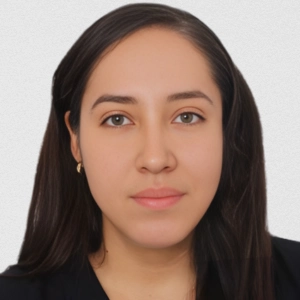
Sofia Rojas Vargas
San Juan Bautista Private University, PeruPresentation Title:
Risk factors associated with the development of Hellp Syndrome in pregnant women treated at the National Maternal Perinatal Institute, Lima-Peru, 2018-2021
Abstract
The aim of the study was to determine the risk factors associated with the development of Hellp Syndrome in pregnant women treated at the National Maternal and Perinatal Institute during the period 2018–2021. This research employed a retrospective cross-sectional methodology with a case control design. A total of 2,500 medical records were reviewed, and 196 participants were selected: 98 cases and 98 controls, based on eligibility criteria. A data collection form was used, incorporating the study variables and dimensions. For the analysis, SPSS software was utilized, applying frequency techniques and Pearson’s Chi-square tests to evaluate associations. The results showed a higher prevalence of Hellp Syndrome among single and cohabiting women, representing 16.8% (p = 0.583). Additionally, 20.4% of women with primary education presented this condition (p = 0.195). A total of 12.2% of the cases corresponded to women aged 30 to 32 years (p = 0.640). A higher proportion of cases was also found among women with a history of hypertension (29.1%, OR: 1.23) and among those with malnutrition (27.6%, OR: 1.78). No significant association was found with parity, although a higher frequency of cases was observed in nulliparous women (17.9%, OR: 1.53) and in pregnant women with a gestational age of 40 weeks (6.1%). It is concluded that malnutrition is a risk factor associated with the development of Hellp Syndrome.
Biography
Sofia Rojas Vargas is a physician graduated from a private university in Peru and is currently pursuing a master’s degree in health services management. She completed her medical internship at María Auxiliadora Hospital and at the Jose Carlos Mariategui Maternal and Child Center, both located along the Peruvian coast, strengthening her clinical training across different levels of care. She also conducted research at the National Maternal and Perinatal Institute. Since her years as a medical student, she has stood out for her scientific vocation, actively participating in research committees. She has published work in areas such as glaucoma genetics and relevant gynecologic-obstetric conditions, including diseases that remain understudied in the Peruvian context.

Organization Location
1309 Coffeen Avenue, STE 1200, Sheridan, Wyoming 82801, USA
Mail us at
Program Enquiry
gynecologysummit@scientexconference.org
General Enquiry
contact@scientexconferences.com
Registration Enquiry
finance@scientexconferences.com
gynecologysummit@scientexevents.org
Our Social Presence
Call us at
USA : (+1) 217 291 7151