

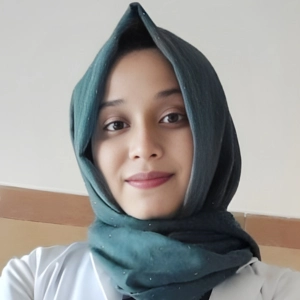
Nazia Tannim
Medical College for Women and Hospital, BangladeshPresentation Title:
Bridging ischemia and reproduction: The role of circulating cell-free DNA in obstetric complications, gynecological diseases and infertility
Abstract
Background: Circulating cell-free DNA (cfDNA), released primarily through apoptosis and necrosis serves as a sensitive, real-time biomarker of tissue injury, hypoxia, and inflammation. Although its diagnostic and prognostic value is firmly established in oncology, organ transplantation and non-invasive prenatal testing for fetal aneuploidy, its application in reproductive medicine encompassing obstetrics, gynecology, and infertility remains underexplored and insufficiently synthesized. Pathophysiological parallels exist between acute ischemic conditions (e.g., stroke) and common reproductive disorders characterized by placental hypoxia, endothelial dysfunction, chronic inflammation and oxidative stress, positioning cfDNA as a promising translational bridge.
Method: This narrative review synthesizes peer-reviewed literature from PubMed, Scopus, and Google Scholar (up to 2025), prioritizing mechanistic studies, clinical observational cohorts, and translational research on cfDNA biology in hypoxia-driven injury, innate immune activation and reproductive pathologies. Inclusion focused on articles addressing cfDNA dynamics in preeclampsia, gestational diabetes mellitus (GDM), preterm birth, intrauterine growth restriction (IUGR), placental insufficiency, endometriosis, implantation failure and male/female infertility factors. In addition to database search, manual screening of reference lists from key articles was performed to capture the latest studies on multi-omics and fragmentomics.
Results: cfDNA exhibits a short half-life (~15–60 min) and acts as a damage-associated molecular pattern (DAMP), engaging Toll-like receptor 9 (TLR9), inflammasome pathways and innate immunity to perpetuate inflammation and oxidative stress. In acute ischemic stroke, elevated cfDNA levels correlate with infarct size, severity and inflammatory burden, offering a validated model of hypoxia-induced tissue damage. Analogous mechanisms operate in obstetric complications: placental hypoxia and trophoblast apoptosis drive increased maternal cfDNA (often enriched for fetal/placental origin), with levels correlating to disease severity in preeclampsia. Recent advances (2023–2025) demonstrate that cfDNA fragmentomics, nucleosome accessibility and methylation profiling enable early preeclampsia risk prediction (AUC >0.80–0.85) from routine low-coverage sequencing, months before clinical onset. Similar elevations occur in GDM, preterm labor, IUGR and placental insufficiency, reflecting placental dysfunction and fetal stress.
In gynecology and infertility, evidence is emerging but limited: chronic inflammation and oxidative stress in endometriosis may elevate systemic cfDNA, while follicular fluid cfDNA fragments and methylation patterns predict oocyte/embryo quality and IVF success independently of etiology. In male infertility, sperm DNA fragmentation and systemic oxidative stress share links with circulating cfDNA alterations, suggesting broader utility.
Conclusion: Circulating cfDNA emerges as a unifying, non-invasive biomarker integrating tissue injury, hypoxia, and inflammatory pathways across reproductive medicine. Insights from ischemic models and recent multi-omic studies underscore its translational potential for early risk stratification, monitoring and personalized interventions in obstetric complications, gynecological disorders and infertility. However, heterogeneity in cfDNA origin, quantification methods, and clinical cohorts highlights the need for standardized protocols, longitudinal multi-center studies, and integration with other omics to fully realize its clinical utility and move beyond current niche applications toward routine reproductive health management.
Key Words: Circulating Cell-Free DNA, Ischemia, Obstetric Complications Gynecological Diseases and Infertility
Biography
To be Updated

Organization Location
1309 Coffeen Avenue, STE 1200, Sheridan, Wyoming 82801, USA
Mail us at
General Enquiry
contact@scientexconferences.com
Call us at
USA : (+1) 217 291 7151