

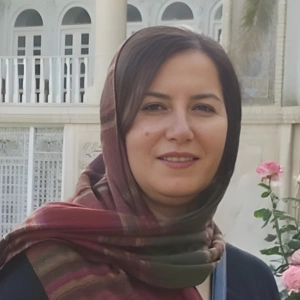
Fatemeh Abdollahi
Mazandaran University of Medical Sciences, IranPresentation Title:
Psychology impact of COVID-19 Infection on post-partum women
Abstract
Introduction: Studies indicated that the COVID-19 pandemic was associated with an increased risk of mental health problems, especially in high-risk populations such as pregnant and postpartum women. This study aimed to determine the parenting self-efficacy and the prevalence and risk factors of postpartum depression during COVID-19 pandemic.
Methods: In a descriptive-analytical study, 945 women referring to primary health centers in Mazandaran province (2020) were questioned with the Edinburgh Postpartum Depression Questionnaire, the Parenting Self-Efficacy Questionnaire, and the Demographic-Socioeconomic-Medical Questionnaire using a multi-stage cluster method during 2-8 weeks after delivery. Regression analysis models were used to estimate adjusted hazard ratios to determine the association between factors associated with postpartum depression during COVID-19.
Results: In this study, 21.6% of pregnant women were infected with COVID-19. The COVID-19 infection was higher in working mothers with less than a high school diploma who lived in extended families with higher-educated spouses than in higher educated housewives women with higher-educated spouses who lived in nuclear families (p<0.05). The prevalence of postpartum depression based on the Edinburgh questionnaire was also reported to be 21.7%.The prevalence of postpartum depression was higher in women with COVID-19 than in the non-infected group (P<0.05: 23.6% vs. 20.3%). Predictors of postpartum depression included experiencing depression and anxiety during pregnancy in women who living in the urban areas. The results of the t-test showed that there was no significant difference between the scores on the parenting self-efficacy in the two groups of infected and no infected women.
Conclusion: This study indicates that Covid-19 had an important negative impact on postnatal women’s mental health. Risk factors for postnatal depression were consistent before the pandemic. Timely identification, intervention and follow-up are key to supporting women at risk, and it is essential that mechanisms to support women are strengthened during times of heightened risk such as the pandemic.
Key Words: Covid-19, Parenting Self- Efficacy, Post-partum Depression.
Biography
Fatemeh Abdollahi has completed his PhD from University putra Malaysia School of Medicine and Health Sciences. She is the faculty member and researcher in Mazandaran University of Medical Sciences. She has published more than 20 papers in index journals on the maternal and child health.

Organization Location
1309 Coffeen Avenue, STE 1200, Sheridan, Wyoming 82801, USA
Mail us at
Program Enquiry
gynecologysummit@scientexconference.org
General Enquiry
contact@scientexconferences.com
Registration Enquiry
finance@scientexconferences.com
gynecologysummit@scientexevents.org
Our Social Presence
Call us at
USA : (+1) 217 291 7151