

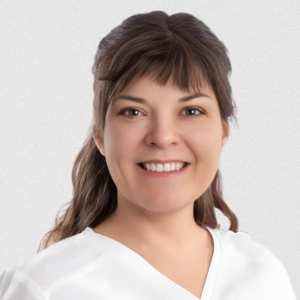
Alla Bakanova
Medexpert Medical Cinic, Russian FederationPresentation Title:
Uterine Myoma and Pregnancy: Management Strategies and Reproductive Outcomes
Abstract
Introduction: The increasing prevalence of uterine myoma in women of reproductive age presents a significant challenge in obstetrics, affecting 2.7–10.7% of pregnancies. This review synthesizes current evidence on the management of patients with uterine myoma, from pre-gravid preparation through pregnancy, delivery, and the postpartum period, aiming to optimize reproductive outcomes.
Methods: A comprehensive review of scientific literature and current clinical guidelines (including Russian Federation protocols and international society recommendations) was conducted, focusing on evidence-based management tactics.
Results: For asymptomatic myomas in women planning pregnancy, expectant management is often recommended. Pre-gravid myomectomy is indicated for infertility, recurrent pregnancy loss, or symptomatic tumors, with the surgical approach (laparoscopic, laparotomic, or hysteroscopic) tailored to the patient. Uterine artery embolization is not recommended for women with future reproductive plans due to associated risks. During pregnancy, most myomas are asymptomatic; however, complications like pain from degeneration can occur. Myomectomy during pregnancy is reserved for emergency indications (e.g., necrosis, torsion) and is performed via laparotomy. Regarding delivery, vaginal birth is preferred for uncomplicated cases. A history of myomectomy is a primary indication for cesarean section (CS) due to the risk of uterine rupture, albeit low (<2%). The safety of myomectomy during CS remains controversial. While Russian guidelines restrict it to situations where a fibroid impedes fetal extraction, recent data suggest it can be feasible in selected cases (e.g., small, subserous pedunculated nodules) in well-equipped centers with experienced surgeons. Postpartum, myomas often regress spontaneously, and patients require regular follow-up with ultrasound every 6 months.
Conclusion: A patient-centric, evidence-based approach is crucial. Key to improving reproductive outcomes is individualized decision-making at all stages: judicious use of pre-gravid myomectomy, careful monitoring during pregnancy, rational choice of delivery mode, and vigilant postpartum follow-up. While myomectomy during CS should not be routine, its indications may be expanded in specialized settings.
Biography
Alla Bakanova is a distinguished gynecologist with a dedicated clinical practice spanning since 2004 and a strong academic career focused on uterine fibroids and fertility preservation. Her research and professional work are dedicated to improving reproductive outcomes for women with complex gynecological conditions. Alla Bakanova completed her PhD at the age of 31 years from Kazan State Medical University, Russian Federation. From 2011 to 2023, she served as an Assistant Professor at the department of Obstetrics and Gynecology of Kazan State Medical University. She is an author of 13 scientific publications that contribute to the evidence-based discourse on this topic. She continues to bridge the gap between academic research and clinical practice, ensuring her patients benefit from the latest advancements in gynecological care.

Organization Location
1309 Coffeen Avenue, STE 1200, Sheridan, Wyoming 82801, USA
Mail us at
Program Enquiry
gynecologysummit@scientexconference.org
General Enquiry
contact@scientexconferences.com
Registration Enquiry
finance@scientexconferences.com
gynecologysummit@scientexevents.org
Our Social Presence
Call us at
USA : (+1) 217 291 7151