
Speakers
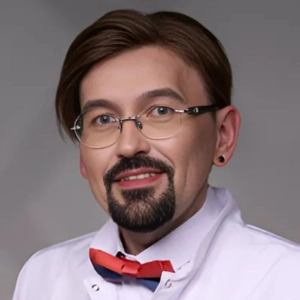
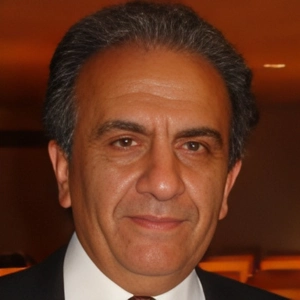
Hassan M Heshmati
Endocrinology Metabolism Consulting, LLC, Hassan Heshmati and Valerie Shaw Endocrine Research, USA
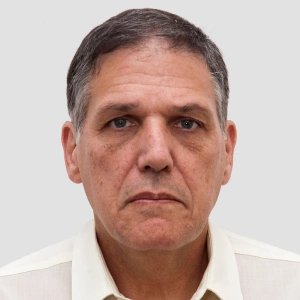
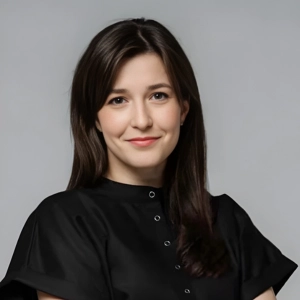
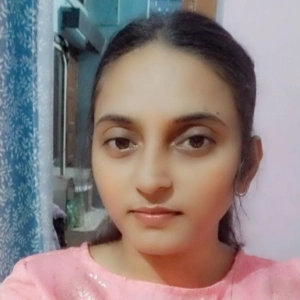


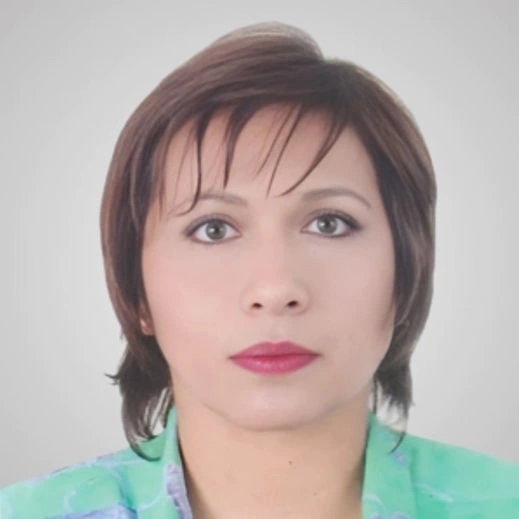
Piedad del Carmen Campo Rodriguez
Public Health Laboratory of the District Health Secretariat of Bogota, Colombia

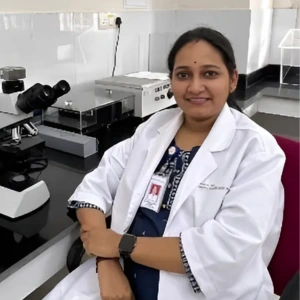



Angelica Marie A. Villanueva
Mariano Marcods Memorial Hospital and Medical Center, Philippines
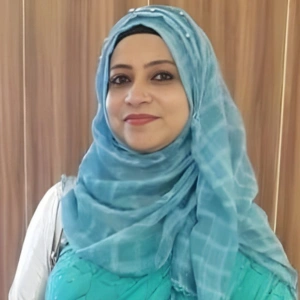
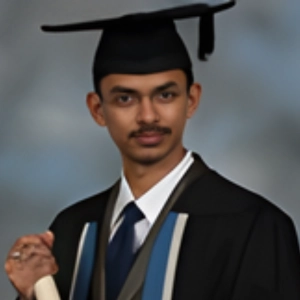


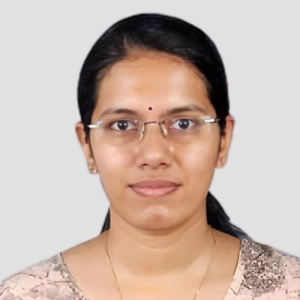
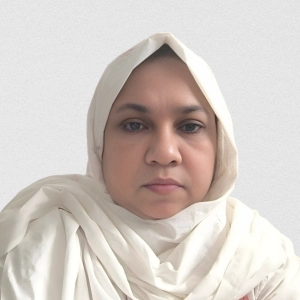

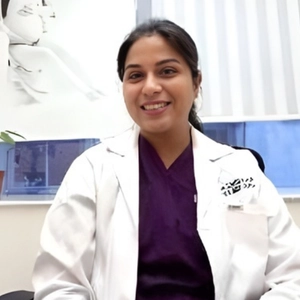


.webp)
.webp)
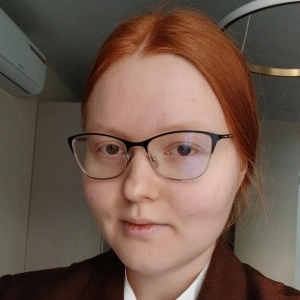
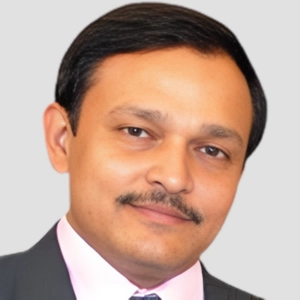
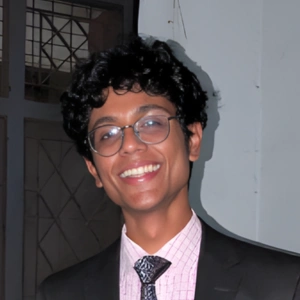
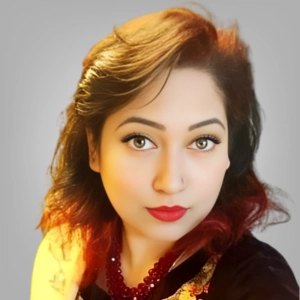
Adriana Pana
University of Medicine, Pharmacy, Sciences and Technology of Targu Mures, Romania


.webp)

.webp)

.png)
Ekaterina Erema
Moscow Regional Research Institute of Obstetrics and Gynecology named after Academician V.I. Krasnopolsky, Russian Federation

Kosovtsova Natalia
Federal State Budgetary Institution Research Institute of Obstetrics and Maternity Medicine of the Ministry of Health of the Russian Federation, Russian Federation

A.N. Rieger
Russian Scientific Centre of Radiology and Nuclear Medicine, Russian Federation
Natalia I Tapilskaya
D.O. Ott Research Institute of Obstetrics, Gynecology and Reproductive Medicine, Russian Federation

Mohamed Hemdan Aboelfotoh Ibrahim Hemdan
Manchester University NHS Foundation Trust, United Kingdom


Vladislava V Khalenko
D.O. Ott Research Institute of Obstetrics, Gynecology and Reproductive Medicine, Russian Federation
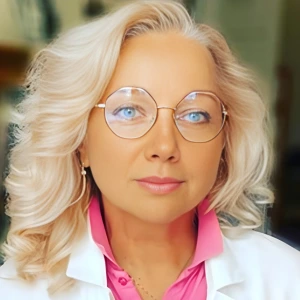
Olesya N Bespalova
D.O. Ott Research Institute of Obstetrics, Gynecology and Reproductive Medicine, Russian Federation
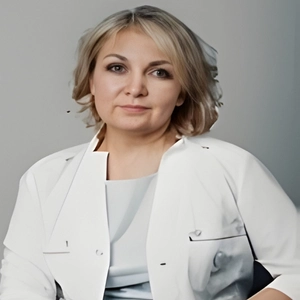

Organization Location
1309 Coffeen Avenue, STE 1200, Sheridan, Wyoming 82801, USA
Mail us at
Program Enquiry - Jovilyn Wallace
gynecologysummit@scientexconference.org
General Enquiry
contact@scientexconferences.com
Registration Enquiry
finance@scientexconferences.com
gynecologysummit@scientexevents.org
Our Social Presence
Call us at
USA : (+1) 217 291 7151